|
|
|
|
|
01
What's New at Panaptic? Opioids / Fentanyl
IMPACT Curriculum |
|
|
|
02
Our Prevention Hero:
Shelley Alves |
|
|
|
03
Research: Schools Are Essential to Prevention
Opinion: Most Overdose Deaths Are Preventable |
|
|
04
Together We Can
Save Lives |
|
|
|
|
|
|
IMPACT Program Now Includes Opioids / Fentanyl |
|
|
|
 |
|
|
|
IMPACT now includes our evidence-based opioids / fentanyl use prevention course. The curriculum offers education about the top considerations for opioids use and adolescence, the risks of synergistic effects, and instructions for preventing overdoses with Narcan® and test strips. In this way we're partnering with academic communities to help students make informed choices and save lives.
|
|
|
|
Panaptic's Prevention Hero |
|
|
|
Shelley Alves acts locally to impact globally |
|
|
This month we're honored to nominate Shelley Alves, Sonoma County Health Program Manager, as our Panaptic Prevention Hero!
What led you to this important work?
After years working in treatment and crisis care, I often found myself wondering: What if we had reached this person sooner? That question stuck with me. When I transitioned from the Crisis Stabilization Unit to the DUI/Prevention program, I saw firsthand the potential for prevention to change the trajectory of someone’s life before tragedy strikes.
What solidified my passion was hearing directly from young people—those using their voices to advocate for education, services, and care. Their energy lit a fire in me. Prevention quickly became more than a role—it became a calling. And honestly, I haven’t taken a day off since (almost literally). This work is personal. It's urgent. And I love it.
What lessons have you gained about preventing youth substance use?
Substances often meet real emotional needs—connection, relief, acceptance, ease. If we’re going to be successful, prevention must offer meaningful alternatives that are just as accessible. We need to be present where youth are—visible, consistent, and engaged.
Always listen first—then follow through on what you said you'd do. Trust is everything. Relationships matter, with both youth and their families. Be real. Be human. That’s where the real work begins.
|
| Please Continue Reading |
|
|
|
|
|
Research Update:
Schools Are Essential
to Opioids Overdose Prevention |
|
|
 |
 |
|
|
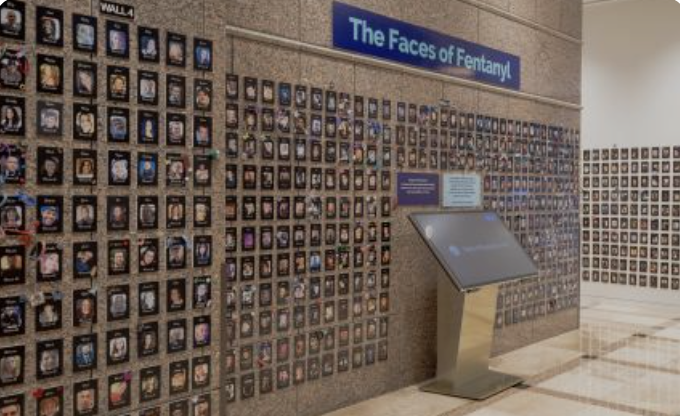
In 2024 the Kaiser Family Foundation (KFF) published Teens, Drugs, and Overdose: Contrasting Pre-Pandemic and Current Trends. The KFF analyzed CDC and national survey data of adolescents to examine substance use and overdose death trends. Their findings included:
The analysis highlights how schools represent a key prevention education environment and can reduce adolescent overdoses by providing opioid / fentanyl prevention curriculum with naloxone training. |
|
|
|
|
|
Opinion:
Schools That Stock Naloxone Are Saving Lives |
|
|
More than 50% of the nation’s largest school districts mandate that their schools stock naloxone, yet many other districts don't. While naloxone can reverse opioid overdose, the CDC reports that in 2022 two-thirds of adolescent opioid overdose deaths occurred with others present who didn’t intervene.
This could be due to the lack of education about what Narcan® is, how to administer it, the lack of Narcan® distribution, or all the above. In some cases, schools resist stocking Narcan® to avoid acknowledging that some of their students may struggle with opioid use.
For schools that have resisted this stigma, some staff have prevented overdose deaths on campus, such as a Colorado nurse supervisor Jessica Foster. President of the National Association of School Nurses Kate King resists stigma by equating Narcan® to albuterol for asthma attacks or epinephrine for anaphylactic reactions. One Colorado Superintendent Christopher deKay compares Narcan® training to fire safety training, stating “If the unthinkable happens, we want to be able to respond in the best way possible.” |
|
|
|
|
|
|
|
Honoring our Fentanyl Awareness Day |
|
|
|
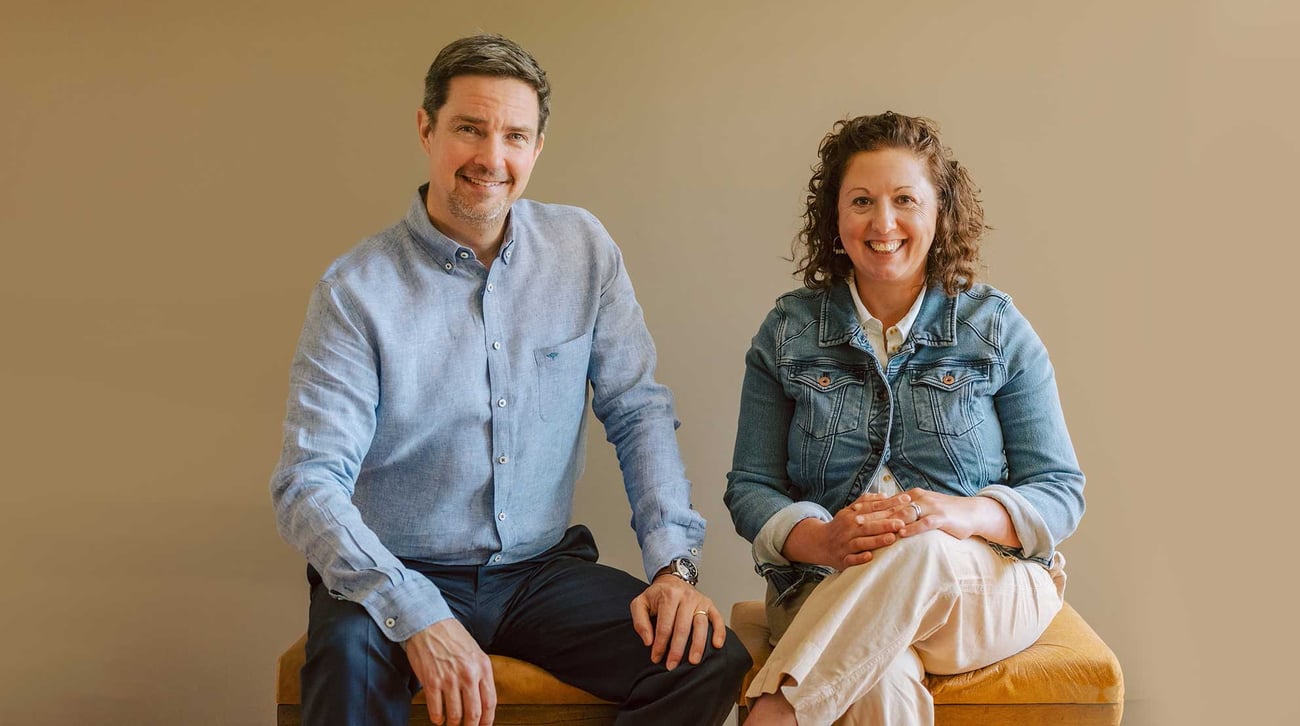
We’ve focused our newsletter this month on opioid / fentanyl prevention education, as April 29th is National Fentanyl Awareness Day. On the 29th people across the country are called on to educate their communities about fentanyl and fake prescription pills to prevent overdose fatalities-particularly for youth. As noted in our Research Update, the Kaiser Family Foundation reports that adolescent overdose deaths with fentanyl increased faster than adult overdose deaths in 2024. We hope your community can be inspired to join this important prevention awareness day and if you need assistance, we are here to support you.
Earlier this year, the CDC reported a 24% decline in U.S. drug overdose deaths. While I was encouraged by this, overdose continues to be the leading cause of death for Americans aged 18-44. The CDC attributes the decline in part to investments in substance use prevention and the distribution of naloxone. It’s clear we have more work to do in our communities.
To advance these strategies and honor National Fentanyl Awareness Day, we share these excellent resources:
-
Opioid Settlement Funds Spending Decisions Per State
-
Song for Charlie: Facts About Fentanyl
-
Next District, a Free Naloxone / Narcan® Distributor
-
Adolescent Substance Use Risk Assessment
We’re grateful to be alongside you in our collective dedication to this extremely important work!
- Richard Von Feldt, Psy.D., Panaptic Co-Founder |
|
|
|
|
|
Our Upcoming Events |
|
with Sarah Ferraro Cunningham, PsyD & Richard Von Feldt, PsyD |
|
|
|
|
|
April 10 @ 9:30 am - 10:30 pm PDT |
|
|
|
Stanford Medicine REACH Lab’s 6th Annual Teaching Cannabis (and other drugs!*) Awareness & Prevention Virtual Conference |
|
 |
|
|
From Awareness to Action: Partnering Together to Prevent Teen Cannabis Use
Panaptic will present with Sonoma County Department of Health Services prevention leaders to highlight how they drew upon local-level data to partner with schools, families, and local organizations to deliver effective initiatives such as IMPACT Prevention. |
|
|
| Save Your Spot! |
|
|
|
|
|
April 11 @ 9:00 am - 10:00 am PDT |
|
|
|
Cannabis, Alcohol, & Opioids / Fentanyl Prevention & Intervention in Your Community: Introducing IMPACT Prevention |
|
 |
|
|
Join the Panaptic team for a FREE 1-hour webinar! Please spread the word and encourage prevention leaders, educators, and school counselors to join this important conversation. |
|
|
| Save Your Spot! |
|
|
|
|
|
Bring IMPACT to your community! |
|
|
|
"Whether you’ve had disciplinary event at your school or have seen marijuana or other substance use become more available and accepted, substance use can harm your school and the well-being of your students. We help schools get in front of this problem to empower students to make smart choices." |
|
|
|
|
|
|
|
|